Football academy vs. club: objectives, opportunities and how to choose
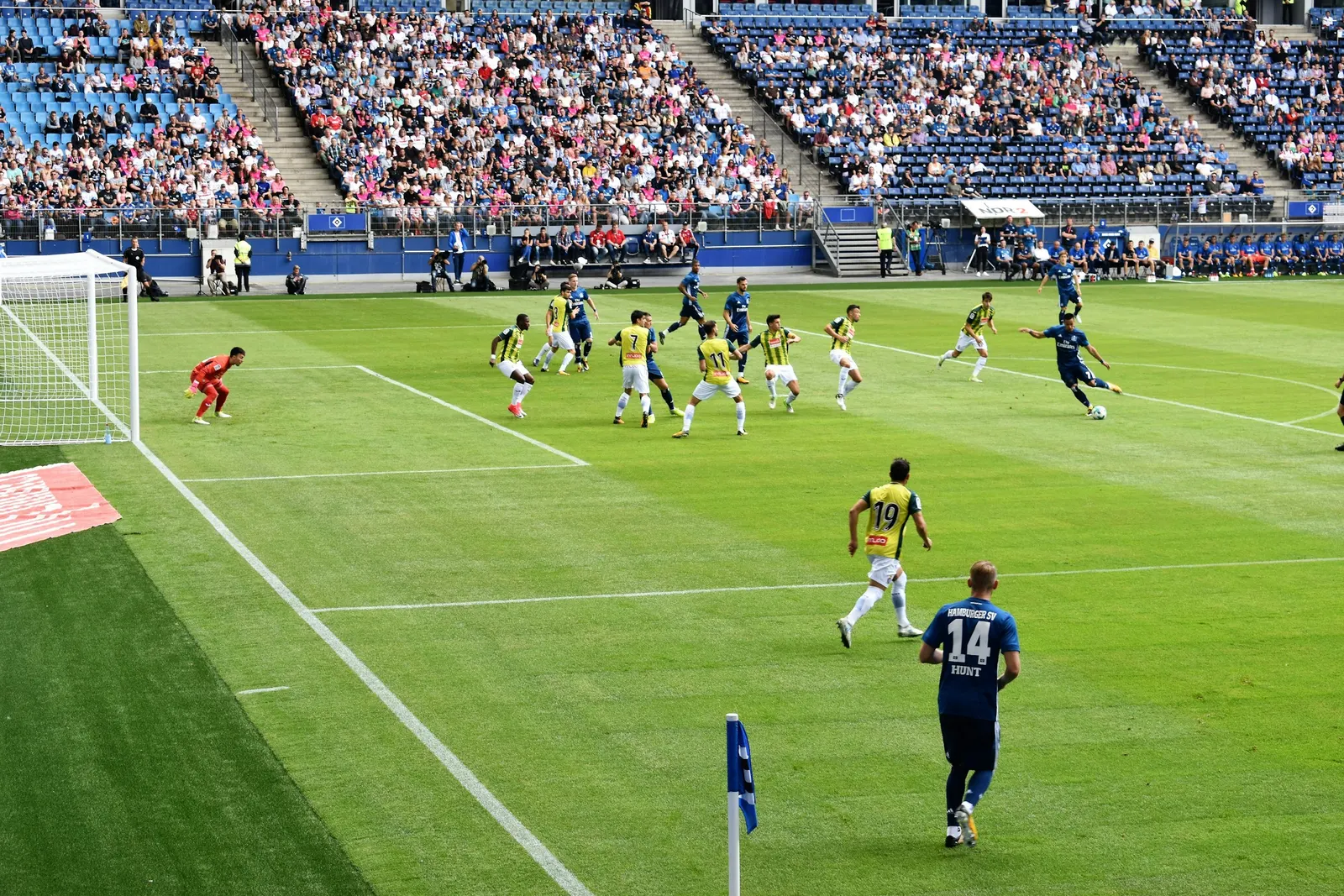
The decision between a football academy and a traditional club does not have a single answer that works for everyone. The objectives, training structure and opportunities offered by each option are different, and choosing the wrong one can mean stagnation or frustration, especially in players under 16 years old when technical foundation and competitive mentality are still being formed.
What is an academy and what is a club: practical definitions
A football academy is, typically, a school specialized in intensive technical training. It operates with frequent schedules (sometimes 3-5 times per week), selects players by ability, charges registration or monthly fees, and its focus is individual skill development: ball control, precision, creativity, game reading. Academies usually have less emphasis on competitions and more on pure training sessions.
A traditional club, on the other hand, is an organization that competes in official leagues. Its income comes from affiliations, sale of trained players, sponsorships and monthly fees (generally lower than an academy). The club trains with an eye on competitive results: winning matches, climbing divisions, participating in tournaments. Technical training exists, but is always at the service of competition.
Objectives and philosophy: what each one really seeks
Academies prioritize training quality. An academy coach takes a player with raw talent and works specific methods: touch series, rondos, direction change exercises, play in reduced spaces. The result is a technically more polished footballer in less time. If your son is 12-13 years old and needs to improve his ball control or game vision, a good academy accelerates that evolution.
Clubs prioritize competition and winning mentality. A player who goes through a club from youth categories learns to handle pressure, to play within a tactical system, to solve problems during the match. Also, a club offers something an academy does not always provide: scouts. Scouts look in clubs that compete in official leagues; they rarely attend an open training session at an academy.
Technical development vs. competitive experience
This is the most important distinction in practice. If your son is 14 years old, plays well in training but freezes in matches, he's probably in an academy. He has refined his technique but lacks competitive experience. If he's been in a club for years, his technique may be rougher, but he knows how to read defenses, makes quicker decisions and manages match stress.
The ideal is not to choose one or the other, but to know when each one is useful. A player aged 11-13 with severe technical deficit can benefit from 1-2 years in a good academy before entering a competitive club. A player aged 15-16 with decent technical foundation but no league experience needs to be in a club that competes at their level.
Opportunities for visibility and professional projection
If the goal is to go professional, clubs have the advantage. A player who grows within a club's structure is on the radar of scouts from higher categories and larger clubs. Official tournaments generate records in systems like Smidrat Hub, where scouts can review historical performance, game statistics and videos.
Independent academies rarely have that visibility, unless they have agreements with first division clubs to send their best players. If an academy boasts that 'several of its alumni play in professional clubs', it's a good sign; if it cannot back that up with names, it's a warning.
There is an exception: academies of large clubs (such as branches of Boca, River or Atlético Madrid academies in Latin America). Those do offer visibility because they have direct connection with the parent club.
Real costs and what they include
Private academies typically cost between $150-400 USD monthly, depending on country and reputation. Sometimes there are additional costs: uniform, tournament, travel. Traditional clubs, especially competitive level ones, charge less monthly ($30-150 USD), but require other expenses: league registration, team uniform, travel expenses for matches, referees.
If you compare just the monthly amount, the academy seems more expensive. But a club competing in level tournaments can end up costing the same or more when you add up all dispersed expenses. Evaluate the realistic family budget, not just the fee.
When to choose academy, when club, when both?
Choose academy if: Your son is under 14 years old, shows potential but has noticeable technical gaps (poor control, imprecise passing, weak at direction changes), and there is a good club in your area but you prefer to improve the foundation first.
Choose club if: Your son is 14 years old or older, his technique is reasonable, and he wants to expose himself to real competitive play. Also if he lives in an area where there are no level academies.
Choose both if: You have budget, he is under 16 years old and has real talent, and the goal is professional. An academy 2-3 times per week to polish technique, a competitive club as main team. This requires player discipline not to overload, but it is the most effective combination to accelerate development.
Keep in mind that the club should always be the priority if the goal is to go professional. The academy is a complement, not the main path.
Red flags in academies and clubs
In an academy, be suspicious if: the coach cannot explain what technical deficit he will correct in your son, promises results in 3-6 months, there is no visible progress evaluation, or all training sessions look the same (always the same exercises).
In a club, be suspicious if: the coach does not give opportunities to younger or new players, only 'historical' players play, there is no clarity on how players are developed, or the coach changes every 2 months.
In both cases, ask about alumni and what happened to them. Good academies and clubs can name real players who evolved in their structure.
The role of parents in the decision
Parents tend to make two mistakes: choosing the most expensive option (confusing price with quality) or letting the child make the decision alone at 11-12 years old. At that age, players rarely understand what they lack or what they need for the future.
The correct decision involves honest conversation: what does your son really want (play for fun vs. be professional), what technical gaps does he have now (and how does the current coach see them), what is the plan for the next 2-3 years. Entrance tests at the academy are also useful: a good coach will tell you if your son fits the profile they work with.
What most academies don't tell you
Many academies live off volume of enrollees, not quality of development. It is the business model: 100 kids at $200 monthly is better than 20 well-trained kids. So when looking for an academy, ask how many players are in each group, what is the coach-to-player ratio, and how they monitor individual progress (not group).
A good indicator is if the academy does individual tracking, if it has progress videos, if the coach can argue exactly what your son needs to improve in the next period. If everything sounds generic, it probably is.
Tools to evaluate progress
Wherever your son is, document his evolution. Record videos of his training every 2-3 months. In a club, review match statistics (minutes played, reported performance). If he is in an academy, ask the coach for specific metrics: number of touches before losing the ball, pass accuracy, recoveries, execution speed.
Platforms like Smidrat Hub allow you to record videos and performance statistics, which is especially useful if your son is in a club: a visual record of progress over time helps make future decisions (advance category, change position, improve a specific aspect) based on data, not impressions.
Frequently asked questions
Can I move my son from academy to club without losing what he learned?
Yes, but the change is easier at 12-13 years old than at 16. A player coming from an academy with good technique adapts quickly to team play, but the first 3-4 months may have low performance because he is learning to play under pressure. The club should be of similar or lower level than his academy so he adapts without frustration.
My son is in a club but feels his technique is stalled. Should I take him to an academy in parallel?
If he is under 16 and you have budget, yes. A complementary academy 1-2 times per week can improve specifically what the club does not work on. But first talk to the club coach: sometimes the stall is not lack of training but lack of playing time. If he already plays a match every week and is in the starting eleven, probably the academy will only add load without greater benefit.
What should I ask before enrolling my son in an academy?
Ask what specific technical deficit they will work on, how many players per group, what the annual progression plan is, if they have before and after videos of other players, what agreements they have with clubs (if any), and who the technical director is and his experience. If you don't get clear answers to three of these five questions, it probably is not the right academy.
Frequently Asked Questions
Can I move my son from academy to club without losing what he learned?
Yes, but the change is easier at 12-13 years old than at 16. A player coming from an academy with good technique adapts quickly to team play, although the first 3-4 months may have low performance because he is learning to play under pressure. The club should be of similar level for the transition not to be frustrating.
My son is in a club but feels his technique is stalled. Should I take him to an academy in parallel?
If he is under 16 and you have budget, it can help. A complementary academy 1-2 times per week improves specific aspects that the club does not work on. But first talk to the club coach: sometimes the stall is lack of competitive playing time, not training. If he already plays matches regularly, the academy will only add load without great benefit.
What should I ask before enrolling my son in an academy?
Ask what specific technical deficit they will work on, the coach-to-player ratio, the annual progression plan, if they have evolution videos of other players, and the technical director's experience. If you don't get clear answers in three of these five areas, it probably is not the right academy.
Redactor de contenido deportivo en Smidrat.
Compartir