Mistakes that prevent a player from being signed
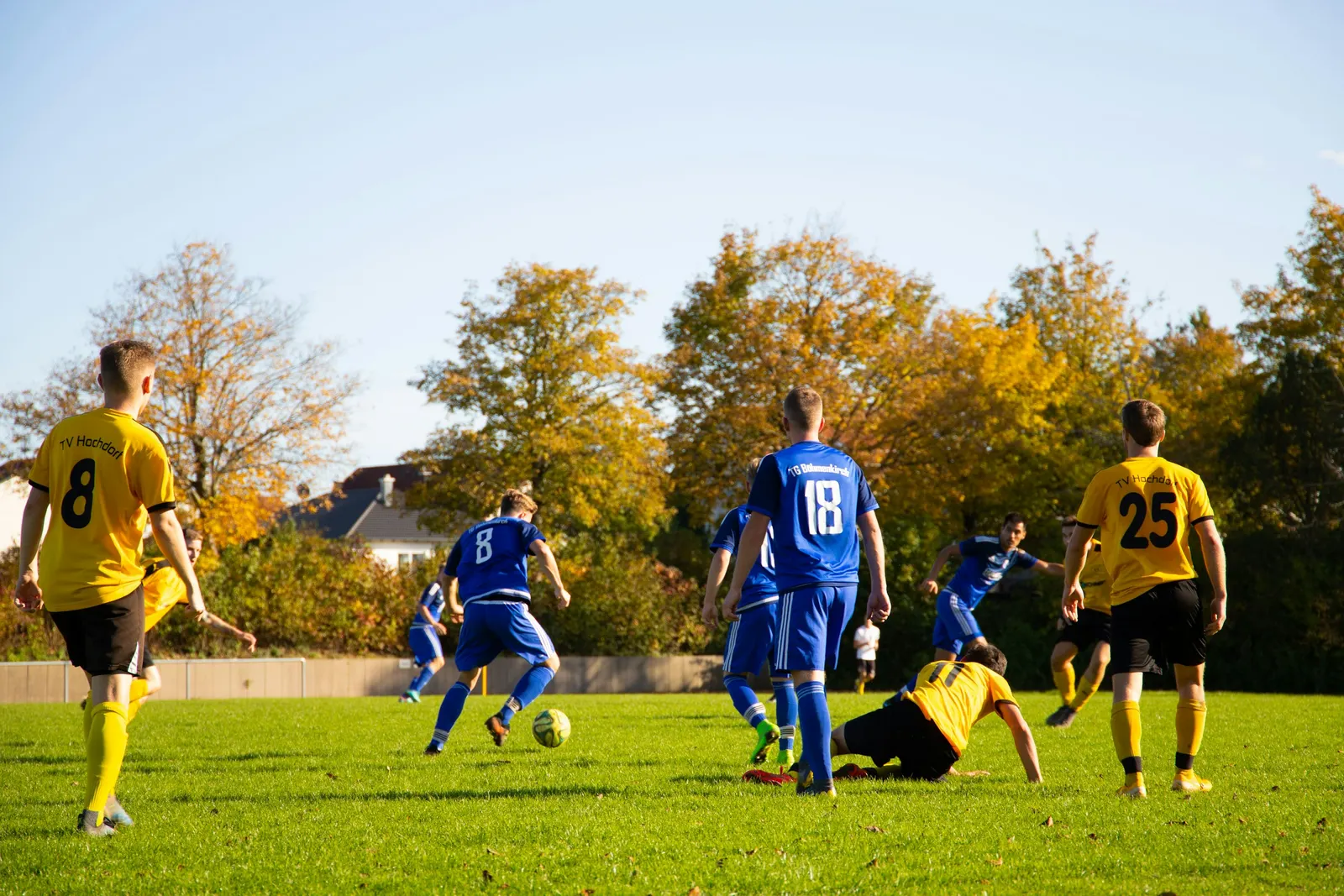
A good match is not enough to be signed. Technical directors and scouts evaluate behavioral patterns, physical consistency and professionalism that many young players simply do not prioritize. These mistakes, frequently avoidable, close doors that are later difficult to reopen.
Lack of consistency in performance
A player who plays well one Sunday, disappears the next and shines again a month later is unpredictable. Clubs don't buy inconsistent potential; they buy players they can rely on week after week.
Inconsistency has multiple causes: unreported injuries that limit performance, lack of physical preparation during the off-season, absence of personal training routine or simply emotional changes that affect performance without physical justification. A scout who sees the same player in three matches and notices extreme variations wonders what the real version is.
Maintaining a stable level means training beyond what the team demands. Small details like arriving ten minutes early, working on fitness on rest days or reviewing video of your own play generate consistency that shows on the field.
Attitude and discipline problems
Any player with discipline can be trained. A talented but undisciplined player is a risky investment.
The attitude mistakes that weigh most heavily in scouts' evaluations are simple: arriving late to training, arguing with referee decisions, rejecting coach instructions, or showing lack of respect toward teammates. It's not just about morality; an undisciplined player is more prone to injury, less adaptable to new playing styles and creates friction in groups that are still being consolidated.
Big clubs have zero tolerance for these behaviors because they destroy the work environment. If a scout reports that a player argued with the referee or was substituted with visible protest, that gets noted and communicated. A single instance of bad behavior can cost more points than ten good performances.
Negligence in health and injury prevention
Many young players ignore early signs of overload or minor injuries because they fear losing playing time. Later they appear in evaluations with limitations that could have been preventable.
A player who arrives at a trial overweight, without hip mobility or with a poorly rehabilitated chronic injury raises immediate concern. Clubs invest in exhaustive medical exams precisely to detect this, but the damage is already done: you are seen as someone who doesn't care for their body.
Prevention is part of professional work. This includes working on flexibility, specific strength, running technique and proper recovery. A player who arrives at a trial with a well-prepared body, with no history of avoidable injuries, conveys professionalism before stepping on the field.
Absence of recorded data and visibility
If a player leaves no trace of their performance, how can they be evaluated outside their immediate surroundings?
Full match video, basic statistics, participation in documented tournaments — these elements allow scouts from other clubs and regions to know you without having to travel specifically. Many players with potential are never signed because they simply don't appear in any accessible record. Platforms like Smidrat allow athletes to build a visible profile for the entire industry, documenting performance in a way clubs can consult when evaluating reinforcements.
Invisibility is a luxury a serious player cannot afford. Disorganized social media, low-quality videos or simply nothing online leaves evaluation solely in the hands of those who have direct connection with you, exponentially reducing your opportunities.
Deficient communication with the professional environment
A player who doesn't communicate their availability, phone number changes or basic contact information shows administrative disorder that clubs interpret as general disorder.
Technical directors need to be able to reach you when there's an opportunity. If you change your number, your social media isn't updated or your family doesn't have clear contact information, clubs try once or twice and move on. It also counts to maintain respect in communications: respond to messages within 24 hours, be punctual in coordination calls and provide requested information without unnecessary delays.
Professionalism in administrative details seems minor, but reflects how that player would operate within an institution. If you're not reliable for answering an email, will you be for following a training plan?
Not having clarity on your own strengths and weaknesses
A player who doesn't know their own profile cannot communicate it or improve it strategically.
Some players see themselves in a distorted way: a defender who insists they are a midfielder, a fullback who believes they can play forward. Scouts expect a player to know which positions they dominate, what their concrete technical virtues are and what areas they're working to improve. This self-awareness allows you to offer the best of yourself in evaluations and to understand what type of clubs are realistic for you at each moment.
Personal video review, feedback from trusted coaches and honest comparison with teammates give you real data. With that information you build a development plan that makes sense, rather than waiting for scouts to discover you by accident.
Frequently asked questions
Frequently Asked Questions
Can a bad match ruin my chances of being signed?
An isolated match affects you less than you think if the rest of your performance is solid. What matters most is the pattern. If scouts see that you generally perform well but had a bad night, that's understood as human. The problem is when bad matches are frequent or when poor performance coincides with lack of attitude.
How long does it take a scout to decide if they're going to sign me after seeing me?
A scout forms an impression in the first 5-10 minutes of play. That doesn't mean they decide immediately, but it does establish whether to continue observing you carefully or to discard you. The rest of the match confirms or contradicts that initial impression. That's why consistency from the first minute matters.
What do I do if I made a serious discipline error in the past?
The past can be repaired by demonstrating consistent change. If it was months or years ago, a prolonged period of good behavior overcomes it. Communicate the learning if it comes up in conversation with clubs ('I had a situation that taught me to be more professional'), but don't make it the focus. Later facts speak louder than any explanation.
Redactor de contenido deportivo en Smidrat.
Compartir