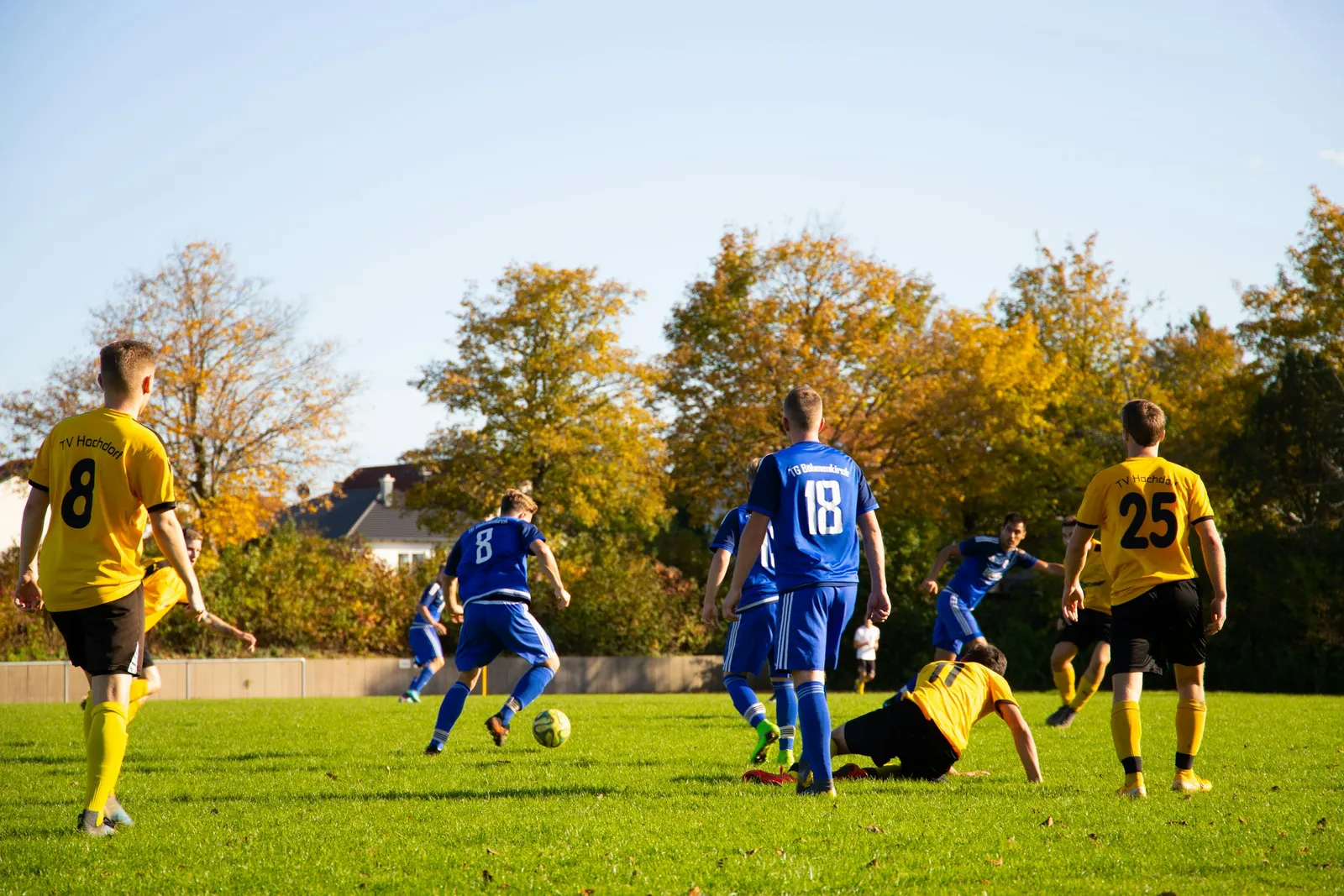
Youth football in Spain: structure, categories and how to access
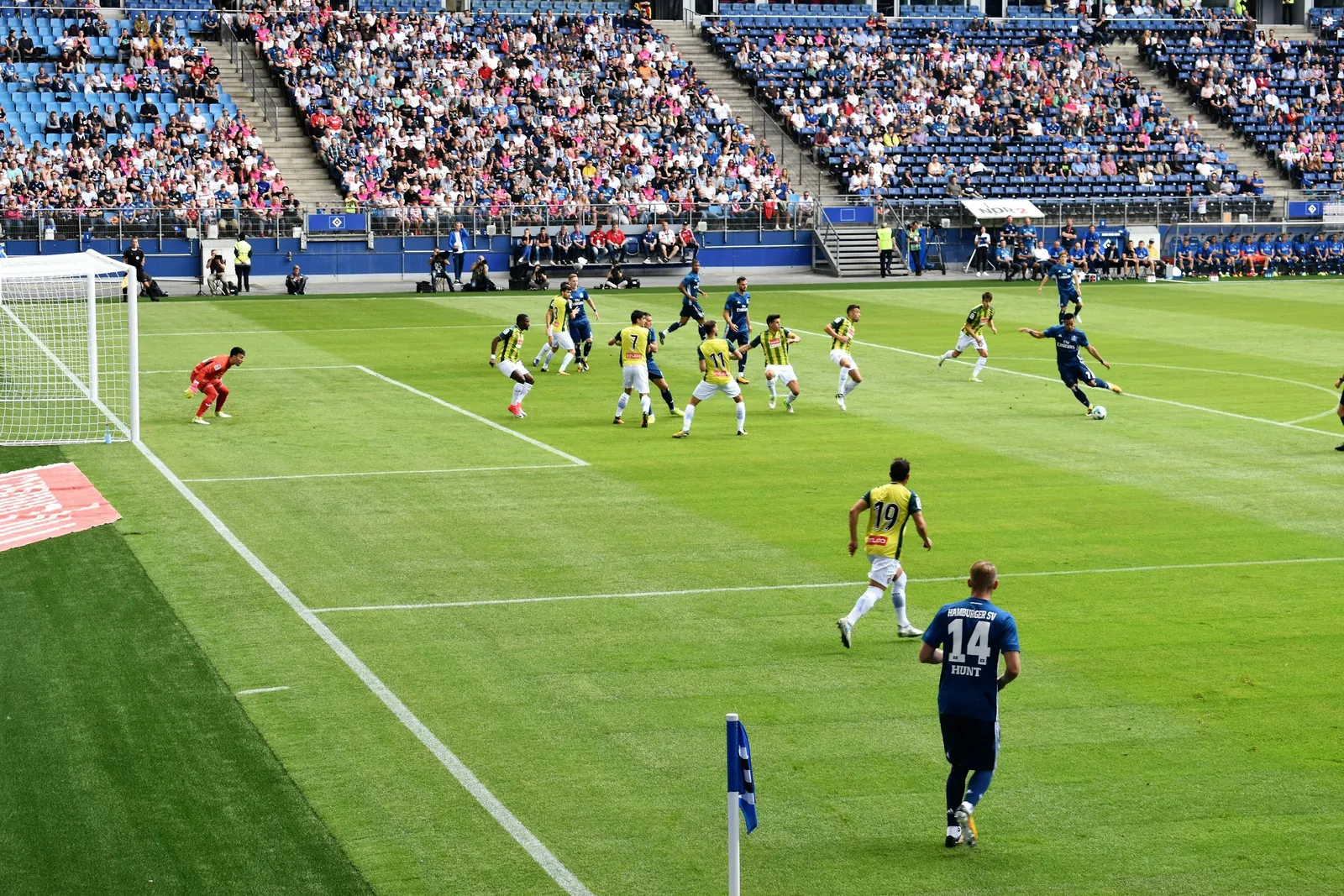
Spanish youth football is not a single centralized system, but rather a complex network of overlapping local, regional and national competitions. For a Latin American athlete or club seeking to understand where to fit in or where to aim, the structure can be confusing if you don't know the key differences between categories, competitions and the clubs that actually offer serious training projects.
Age categories: from academy to professional
In Spain, categories are organized by year of birth, not by skill level. Professional and semi-professional clubs have academies organized in different tiers: Pre-Benjamin (7-8 years old), Benjamin (9-10), Alevin (11-12), Youth (13-14), Cadet (15-16), Juvenile (17-18) and Junior (19-21). Some smaller clubs don't have all categories or share players between two groups as needed.
What's important to understand is that these categories are not automatically 'quality'. A child in the academy of a Second Division club may be training in better facilities and under more rigorous conditions than one in a local First Regional team. The age label says when he was born; it doesn't say how much the club has invested in his development.
The competitions: where real games are played
The competitive structure is hierarchical. At the top is the National Youth Football Championship, organized by the Spanish Football Federation (RFEF) for cadet and juvenile categories. The best teams from each region advance to national phases; results there largely determine who catches the attention of professional clubs.
Below that, each autonomous community (Catalonia, Madrid, Valencia, Andalusia, etc.) organizes its own leagues and regional championships. Quality varies: the Madrid or Catalonia Autonomous Cadet League is more competitive than those in regions with smaller populations. Within each region there are local or second-tier classifications for non-professional teams.
In practice, a player can be in the academy of a professional club and play in the regional local league. His academy team may compete in a parallel circuit of academy competitions, tournament invitations and high-level friendly matches. It's not uncommon to see the same player competing in multiple competitions simultaneously during a season.
How Latin Americans enter the system
A young player from Latin America interested in playing in Spain has two main paths: sign directly with a club that has an established academy (which requires paperwork, a student visa or a work contract for minors) or come through a recruitment program that a club or agency already has in place.
La Liga and Second Division clubs have scouting departments. Some, especially mid-sized and large ones, have networks of contacts in Latin America. However, not all publish an open process for incorporating foreign players. Informal channels (recommendations from coaches, previous contacts, videos circulating on platforms like Smidrat) work as much or more than a formal email to the club.
Regional federations require that a foreign player under age have a legal representative in Spain (often a family member or guardian) and meet document homologation requirements. The process is administrative, not sporting, but it is mandatory. Some mid-level clubs act as sponsors to speed up this procedure.
Difference between professional, semi-professional and amateur clubs
A La Liga or Second Division club invests money in its academy, but that doesn't mean all levels are equally rigorous. The Juvenile A (best category at that age) will be competitive and well-controlled; the Juvenile C may be more open. What matters is whether the club has a monitoring structure: controlled training, coordinated nutrition, video analysis, planned preseason.
Semi-professional clubs (First or Second Regional) operate with limited budgets. Some have serious academies because they rely on selling players to professional football; others are barely expanded neighborhood teams. The difference between a good semi-professional and a mediocre professional is sometimes invisible from the outside.
A practical recommendation: before accepting an offer, ask the club specifically about its training structure. Who is the academy coordinator, how many hours are trained per week, whether there is nutritional or psychological monitoring, whether they have agreements with larger professional clubs. A serious club answers these questions; one that improvises, doesn't.
Opportunities for the transition to senior and professional status
The transition from juvenile to senior football in Spain is where many projects break down. An academy club produces dozens of players in younger categories, but most don't continue. Some go to local amateur teams; others leave football.
Professional clubs have Junior teams (19-21 years old) or loan players to lower-category teams so they can compete seriously. That's the critical moment: if a player didn't establish himself as a starter or didn't show physical and technical changes by ages 18-19, the chances of a professional contract drop drastically.
For a Latin American player, this means the goal shouldn't be 'to be in a famous academy', but in one where you're really seen as a future option. Sometimes a smaller club but with better individual monitoring is a better springboard than a giant where you're competing with 200 other players in lower categories.
Tools for visibility and identification
In recent years, video platforms have democratized part of the scouting process. Small and mid-sized clubs now review online profiles before making costly trips. Networks like Smidrat allow Spanish clubs to see videos of young players from Latin America, compare profiles and make initial contact without intermediaries.
This doesn't replace in-person scouting, but it opens doors. A quality video of an actual match (not a highlight reel, but a full match or long segments) is more useful than 100 photos.
Frequently asked questions
Frequently Asked Questions
What age is best to go play in Spain if I'm Latin American?
Between 15 and 17 years old (Cadet category) is the most realistic time. At that age, clubs can better evaluate whether the player will adapt to Spain, and there's still time for development to establish himself before the junior stage. Coming younger means higher costs and fewer real opportunities for training at big clubs; coming after 18 requires an already demonstrated competitive level.
What's the difference between playing in the academy and playing in the regional autonomous league?
The academy is training and development controlled by the professional club; the regional league is official competition against other teams. A player in the academy may not be playing regular competitive matches, only friendlies and internal tournaments. In the autonomous league there is more pressure but also more exposure to scouts from other clubs. The ideal is to be in both simultaneously.
Do I need an agent or representative to sign with a Spanish club?
It's not mandatory, but it does help. An agent with contacts speeds up negotiations and handles paperwork. However, many mid-sized and small clubs have signed young players through direct recommendation from coaches or contacts without going through an agency. If you have a connection with someone inside the club or know Spanish coaches, you can try it without an intermediary; if not, it's more efficient to seek serious representation (not vague promises).
Redactor de contenido deportivo en Smidrat.
Compartir