Scout, talent scout and sports director: roles and differences

In Latin America, the terms 'scout' and 'talent scout' are used almost as synonyms, but the sports director responds to a completely different logic. Knowing what each one does is essential for athletes seeking to be discovered, clubs that assemble their technical teams, and anyone interested in understanding how talent discovery works.
Scout and talent scout: practically the same
A scout (English term adopted throughout the region) and a talent scout do basically the same work: they search for and evaluate potential players. The difference between the terms is more linguistic than functional.
The talent scout is the traditional denomination in Spanish, common in countries like Argentina, Spain and Uruguay for decades. Scout is the modern term, more used in international professional contexts and increasingly frequent in Latin America. Some large clubs employ both terms to refer to staff with slightly different responsibilities (a 'talent scout' working in local territory, a 'scout' traveling to other provinces or countries), but this is not a universal distinction nor is there a standard that defines it.
What is consistent is what they observe: on-field performance, technique, speed, decision-making ability, physical projection (for youth categories), attitude under pressure. The scout typically generates simple reports about what he saw, with basic player data (age, position, current team, contact information).
What a scout or talent scout does in practice
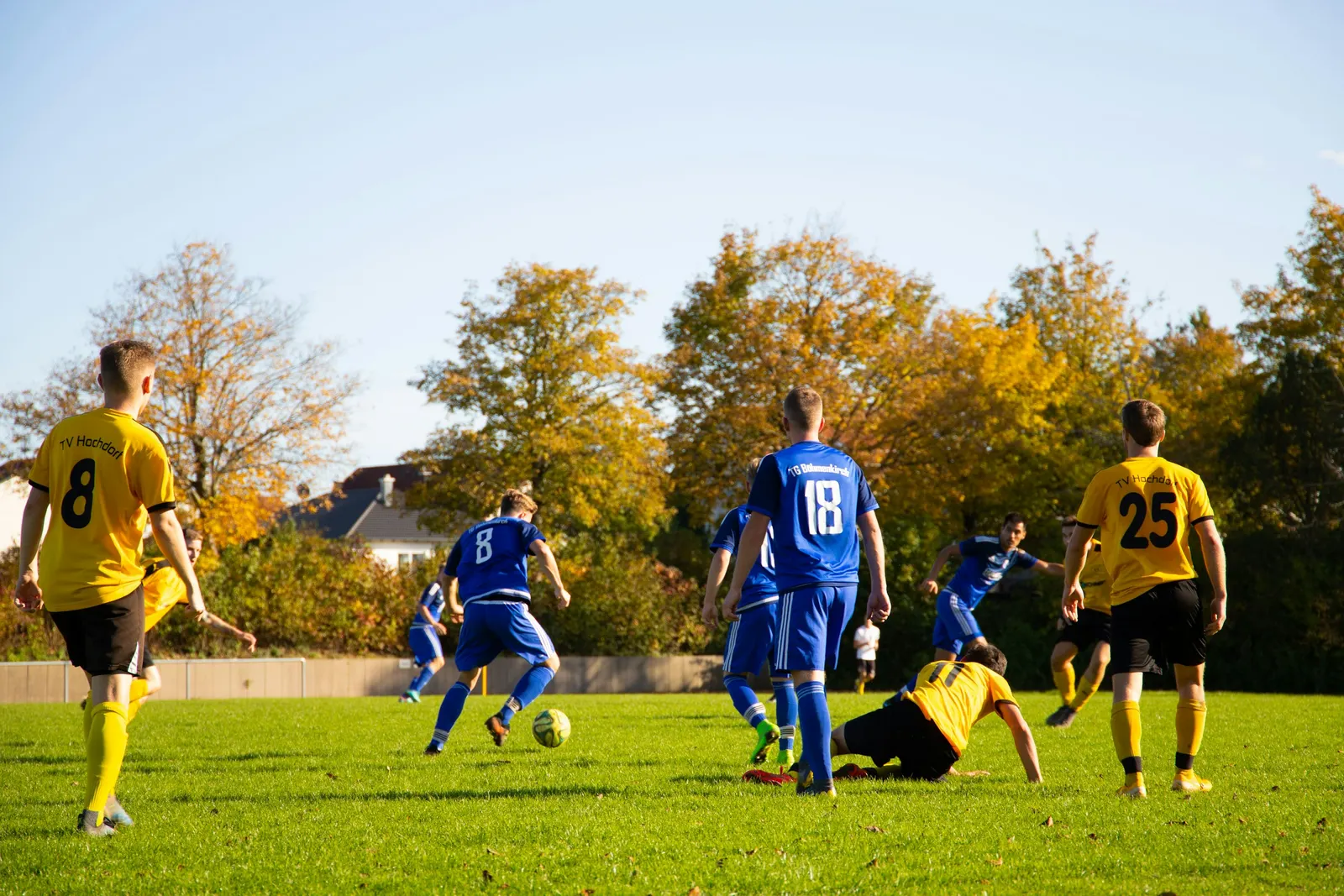
Field work is the most obvious part. They attend trainings, league matches, tournaments and informal competitions. They take notes, record video, gather information about family background and access to training opportunities.
Most scouts in medium-sized or small clubs in Latin America work part-time or as freelancers. They are assigned a geographic area or age category, and report directly to whoever hired them (generally a youth divisions coordinator, a technical director, or the sports director). In large clubs, there are specialized scout teams: some focused on youth divisions, others on senior reinforcements, others even on international scouting.
The scout has no decision-making power over signings. Their role is to inform. Someone higher up in the chain decides whether to call the player for trials, keep tracking or discard. In a small structure, that 'someone' can be a single person; in professional clubs, there are several filters before a decision.
The sports director: another level of responsibility
The sports director is an executive position. It does not focus primarily on observing players on the field; it focuses on making strategic decisions about who comes in, who goes out, how the team is structured.
Their responsibilities include: medium-term sports planning, evaluation of the current roster, reinforcement priorities by position and age, sports budget management, relations with other clubs (transfers, loans), coordination with the coaching staff (referee, coach), and generally oversight of the youth divisions system.
Although the sports director may have experience as a scout, their function is different. They use information that others generate (scout reports, video analysis data, coaching recommendations) to build criteria and make executive decisions. In large clubs, the sports director is not the one going out to the field to watch unknown players; it is who interprets that information and decides where the club's strategy is headed.
In small clubs, the role is condensed. Sometimes the sports director also scouts, also resolves affiliation procedures, also talks with parents. But the final responsibility remains that of strategic direction, not field observation.
When roles get confused
Confusion is more common in clubs without formal organizational structure. A sports director who goes to see players on his own is still a sports director, even though he is doing scout work. And a scout with long tenure and trust can influence decisions that technically are not his to make.
On social media and platforms like Smidrat, some athletes receive messages from profiles presenting themselves as 'scout' but acting as intermediaries without clear affiliation. Verifying that someone is really an authorized representative of the club is a basic step that any athlete or family should take before committing to a trial process.
It should also be considered that the official title may not reflect day-to-day work. A club may hire someone as a 'youth coordinator' who actually performs primarily scouting work. What matters is not the title, but understanding what decision-making power that person has and who they report to.
Implications for athletes, clubs and families
A young athlete detected by a scout has passed a first filter, but is not in anywhere yet. The scout reports, and then others decide. Waiting for a trial call after scout contact is legitimate, but it is not a guarantee. The sports director will review those reports, add his own criteria, and say yes or no.
A club seeking to build a good talent detection system needs reliable local scouts (or its own staff), a clear reporting protocol, and a sports director or coordinator who processes that information with consistent criteria. Without that, it ends up hiring by friend recommendation or intuition, not by systematic analysis.
For athlete families, the key is simple: if a scout calls you, good. If they offer you something concrete, verify with the club directly. If the club has no record of that scout, it is a red flag.
In summary
Scout/talent scout: observes, reports, influences but does not make final decisions. It is mainly field work.
Sports director: processes information, defines strategy, makes executive decisions. It is a staff position.
The first reports to the second (or to someone in their line). Both roles are necessary; confusing what each one does creates avoidable misunderstandings.
Frequently Asked Questions
What is the difference between a scout and a talent scout?
In practice, they are synonyms. Scout is the modern term (English), talent scout is the traditional denomination in Spanish. Both observe players, take notes and report what they see. Some large clubs differentiate by geographic area or category, but there is no universal standard.
If a scout sees me play, am I into the club?
Not automatically. The scout reports what he observed. The club (through the sports director, coach or other authority) decides whether to call for trials, keep tracking or discard. The scout's report is a recommendation, not an executive decision.
Is the sports director still a scout?
Not necessarily, and should not be as a main activity. The sports director has an executive role: makes decisions about reinforcements, structure, budget. They may go watch players, but their function is to interpret information from others (scouts, analysis, coach) and decide strategy, not spend most of their time observing on the field.
Redactor de contenido deportivo en Smidrat.
Compartir