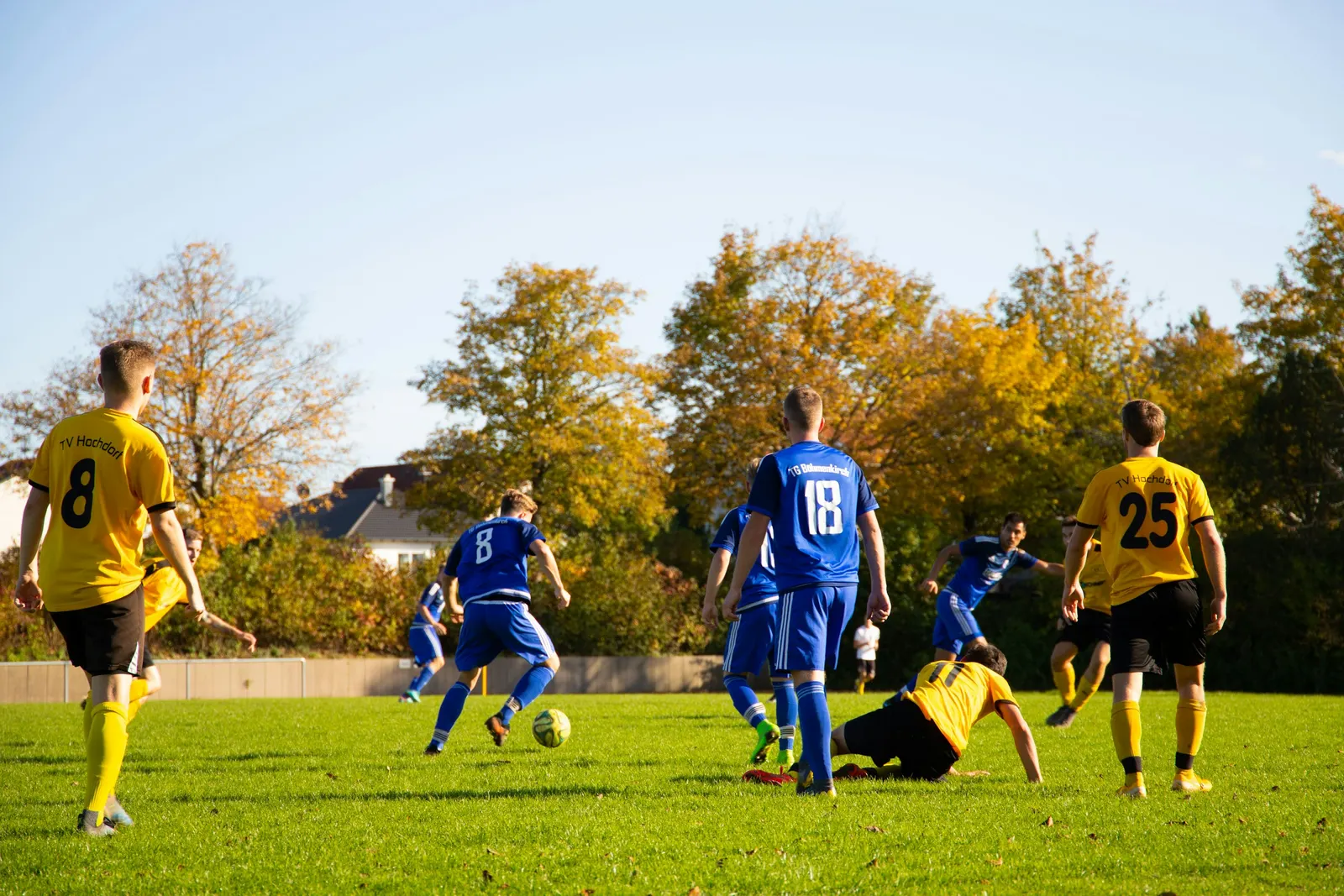
What Soccer Scouts Really Look for in a Player: The Traits That Make the Difference
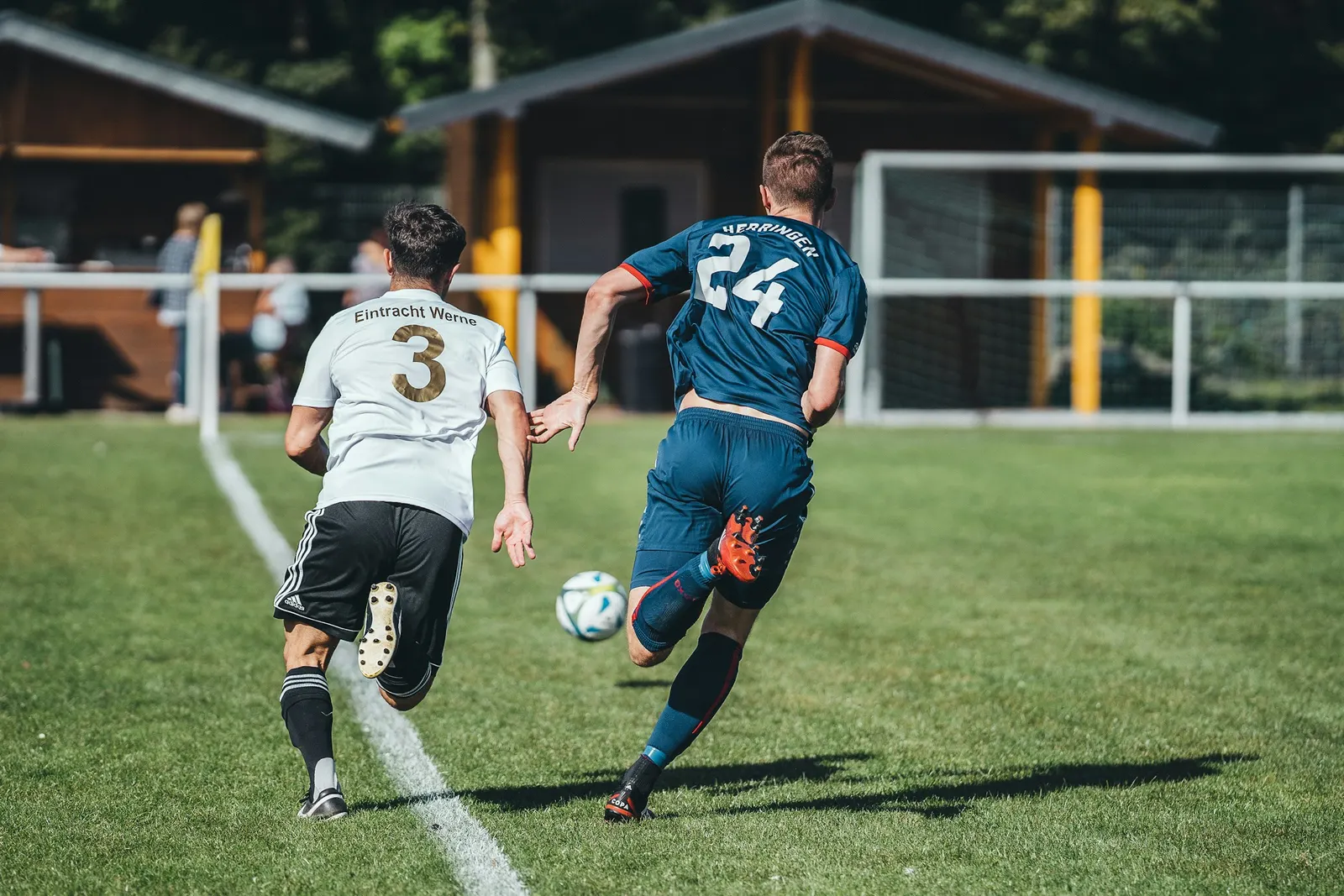
Many soccer players believe a scout only picks the player who scores the most goals or dribbles past the most defenders. The reality is very different.
A professional scout analyzes dozens of factors during a match. Some are obvious, like technique or speed, while others go completely unnoticed by most spectators: decision-making, tactical intelligence, personality, or the ability to learn.
In fact, it's common for a player to stand out during a match and still fail to attract any club's interest. The opposite also happens: players who barely catch the crowd's attention end up getting signed because they possess traits highly valued by scouting departments.
In this guide you'll discover how soccer scouts really evaluate players, the mistakes that cost players opportunities, and what you can do to increase your chances of being noticed.
What Does a Soccer Scout Actually Do?
A soccer scout is the professional responsible for identifying players with the right potential for a club's sporting and financial needs. Their evaluation isn't based solely on a single match's performance, but on a comprehensive analysis of the player, their development, and their ability to adapt.
A scout's job combines observation, data analysis, technical reports, and ongoing tracking.
During a match, they may be observing things like:
- Off-the-ball movement.
- Communication with teammates.
- Reaction after making a mistake.
- Tactical understanding.
- Intensity throughout the full 90 minutes.
- Behavior toward the referee.
- Body language.
That's why many players don't even realize when they're being evaluated.
What Soccer Scouts Look for in a Player
Technique
Technique remains one of the pillars of modern soccer.
However, scouts aren't just looking for players who can pull off flashy tricks. They analyze whether a player masters the basic fundamentals under pressure.
Among them:
Ball Control
A good first touch lets you play faster and creates advantages even before receiving the ball.
Passing
It's not just about completing a lot of passes. Scouts also look at:
- accuracy
- speed
- intent
- ability to break defensive lines
Dribbling
Scouts watch whether a player dribbles with their head up and keeps control of the ball in tight spaces.
Finishing
Forwards need to show a range of tools:
- both feet
- heading ability
- quick finishing
- shots from different distances
Defensive Technique
In defenders and midfielders, scouts look for:
- clean tackles
- timing
- body positioning
- anticipation
Decision-Making
Many technically brilliant players never make it to professional soccer because they make poor decisions.
Scouts especially value the speed to choose the best option in just a few seconds.
For example:
Player A:
- pulls off five spectacular dribbles
- loses the ball four times
Player B:
- attempts a single dribble
- creates three clear scoring chances
Player B is usually far more attractive to a club.
Mental speed tends to make more of a difference than physical speed.
Tactical Intelligence
Tactical intelligence means understanding the game before it happens.
Scouts constantly observe:
Positioning
Are they where they're supposed to be?
Space Occupation
Do they create passing lanes?
Reading the Game
Do they know when to speed up or slow down?
Adaptability
Do they understand different systems of play?
A tactically intelligent player can compensate for physical limitations.
That's why many elite midfielders stand out more for their understanding of the game than for their speed.
Mentality
One of the hardest factors to train.
Scouts value players who:
- never stop competing
- stay focused
- accept corrections
- handle pressure
- stay calm
Mentality often makes the difference when the technical level between players is similar.
Attitude
Attitude can open or close doors even before a match ends.
Things scouts observe:
- respect toward the coach
- respect toward the referee
- behavior with teammates
- body language
- defensive effort
- collective commitment
A player who stops running after losing the ball creates an immediate bad impression.
Room to Improve
One of the most important concepts in modern scouting.
Clubs aren't just looking for the best player right now. They're looking for the player who can become a much better footballer in three to five years.
They analyze:
- age
- physical ceiling
- ability to learn
- recent development
- response to training
That's why many youth players get signed before reaching their peak level.
Physical Traits
Modern soccer demands a high physical level.
That doesn't mean everyone needs to be over 6'2". Every position requires different characteristics.
Scouts observe:
Speed
Especially useful for wingers and fullbacks.
Endurance
The ability to maintain intensity throughout the whole match.
Strength
Important in individual duels.
Coordination
Efficient movement and balance.
Injury Prevention
A history of frequent injuries can affect a player's evaluation.
Personality
This aspect is often underrated.
Clubs want to bring in people capable of fitting into a professional locker room.
They analyze:
- leadership
- humility
- communication
- discipline
- responsibility
More and more clubs include personal interviews as part of the recruitment process.
What Matters Most to a Scout?
| Trait | Why It Matters |
|---|---|
| Technique | Allows correct execution of in-game actions. |
| Decision-making | Reduces errors and increases effectiveness. |
| Tactical intelligence | Makes it easier to adapt to different systems. |
| Mentality | Maintains performance under pressure. |
| Attitude | Reflects professionalism and commitment. |
| Potential | Determines the player's future value. |
| Physical traits | Allows competing at the highest level. |
| Personality | Supports integration and leadership. |
Mistakes That Get Players Eliminated
Scouts agree that certain behaviors create an immediate negative impression. Among the most common:
Believing That Standing Out Means Individual Plays
Professional soccer rewards effectiveness over spectacle.
Checking Out After Losing the Ball
The reaction after a mistake says a lot about a player.
Constantly Arguing
Unnecessary arguments show a lack of emotional control.
Lack of Intensity
Not running, not pressing, or disengaging costs a lot of points.
Poor Attitude Toward Teammates
A technically brilliant player can be dropped if they hurt team chemistry.
Neglecting Physical Preparation
Technique doesn't make up for insufficient physical condition.
Only Thinking About Attacking
Even forwards need to contribute defensively.
Advice From Professional Scouts
After years of watching talent, many scouts agree on several recommendations.
Keep It Simple
The best player isn't always the one who dribbles the most. Often it's the one who makes the best decisions.
Learn Different Positions
Versatility increases your chances of getting signed.
Listen to Your Coach
The ability to learn is one of the indicators of future potential.
Review Your Matches
Watching your own games lets you catch mistakes before repeating them.
Train Your Body Year-Round
Physical preparation can no longer be limited to preseason.
Stay Consistent in Your Attitude
Scouts are watching even when the ball is far from you.
Build a Professional Presence
More and more scouts use digital platforms to discover talent, review stats, and analyze video before attending a match in person. Keeping an updated profile with verifiable information, quality clips, and an organized athletic history can significantly boost your visibility.
Quick Tips
- Control the ball before thinking about impressing anyone.
- Talk to your teammates during the match.
- Never stop running after losing possession.
- Watch your body language.
- Train decision-making as much as technique.
- Accept corrections with a positive attitude.
- Keep up good physical preparation throughout the whole season.
- Update your athletic profile and share videos that show complete sequences, not just your best plays.
Frequently Asked Questions
What do soccer scouts look for first?
They usually observe a player's overall behavior first: attitude, positioning, decision-making, and ability to influence the game, before focusing on specific technical aspects.
Do goals guarantee a scout's interest?
No. Goals help, especially in attacking positions, but scouts place much more value on the context in which they happen, the quality of the decisions made, and the player's overall performance.
Does height matter?
It depends on the position and the club's style of play. There are many professional players who stand out without great height, thanks to their tactical intelligence, technique, or speed.
At what age do scouts start watching players?
Many clubs start tracking players from youth categories. However, opportunities also exist at older youth ages and in amateur soccer, especially when a player shows consistent development.
How can I increase my chances of being seen by a scout?
Besides performing well in matches, take part in competitive tournaments, keep an updated athletic profile, gather quality videos showing complete sequences, and stay consistent in your development. Visibility and performance tend to go hand in hand.
Conclusion
Scouts aren't looking for the player who grabs attention for five minutes.
They're looking for the player who can compete at the highest level for years.
Technique remains fundamental, but every season factors like tactical intelligence, decision-making, attitude, and growth potential carry more weight.
Players who understand these criteria can better direct their training, present a more complete profile, and increase their chances of getting trials, joining academies, or reaching professional clubs.
Take the Next Step
If you want coaches and scouts to get to know your journey better, playing well isn't enough — you also need to showcase your development professionally.
With Smidrat you can create your athletic profile, upload stats and videos, and keep an updated record so clubs, academies, and scouts get a fuller picture of your potential. A great performance opens doors; a professional presence helps keep them open.
Redactor de contenido deportivo en Smidrat.
Compartir